
Curriculum
The shared core every student studies, whatever their department
How It Works
One shared foundation, three departments
ATSNEE's five-year STEM program combines a strong foundation in mathematics, sciences and languages with advanced study in nuclear engineering and technology. Every student takes the shared courses below, taught by professors from Egypt's nuclear authorities, alongside hands-on work in labs and workshops.
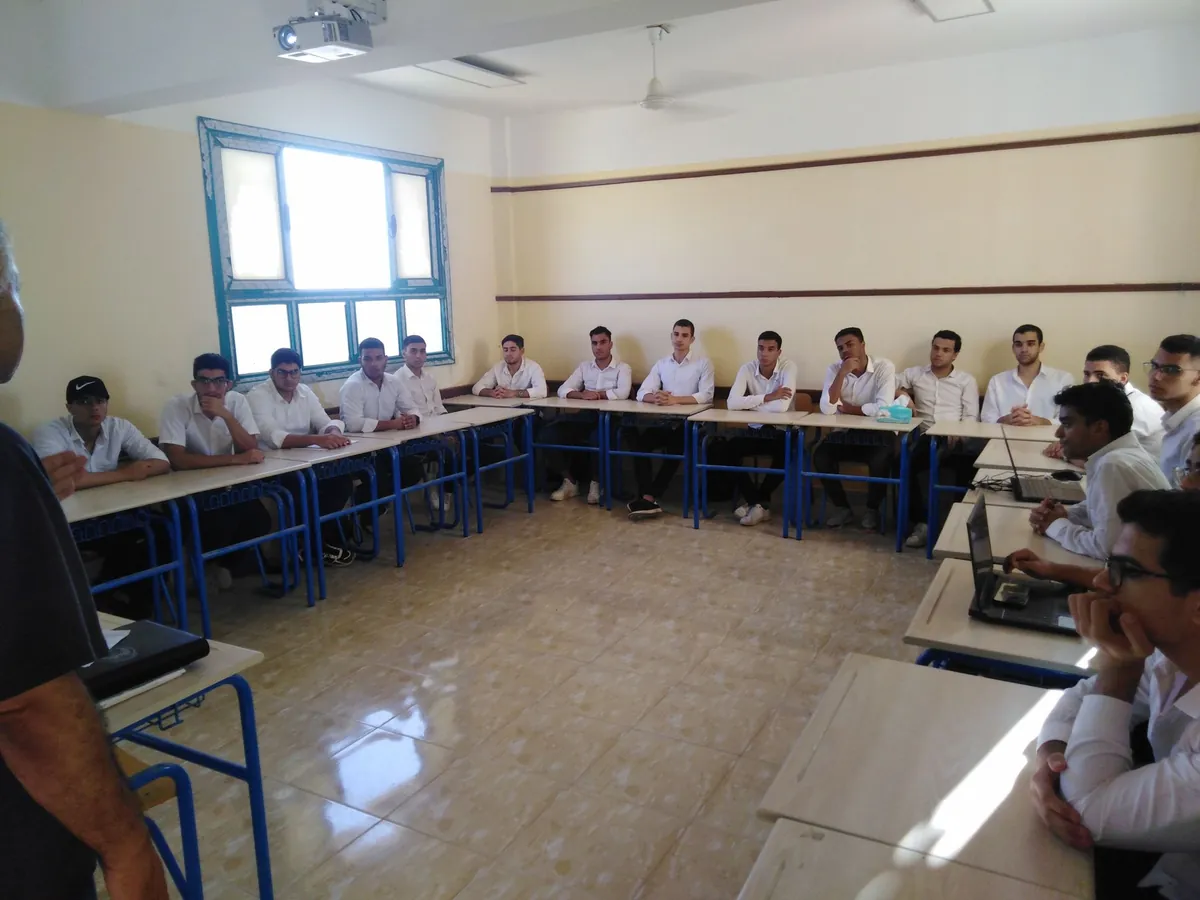
- Year 1: all students study together in three classes of about 20 students.
- End of Year 1: each student chooses a department: Nuclear Electronics, Nuclear Electricity or Nuclear Mechanics, with 20 seats in each. When more students want a seat than there are seats, higher grades decide.
- Years 2 to 5: the shared courses continue next to the department's own courses, and grading happens within each department.
5
Years of study
15
Shared required courses
3
Electives
Language & Humanities
Arabic, English and Russian (5 years each), Religion (5 years), Social Studies (2 years) and Civic Education (1 year). Electives: History, Personal Fitness and Arts.
Mathematics & Natural Sciences
Mathematics (3 years) and Advanced Mathematics (2 years) up to differential equations and Laplace and Fourier transforms, Physics (3 years), Chemistry and Biology (2 years each).
Nuclear Engineering & Technology
Nuclear Technology (1 year), Radiation Protection (2nd year), Nuclear Physics and Reactor Theory (4th year) and Nuclear Power Plant Maintenance (5th year).
Beyond the Classroom
Training shared by all students
- Professor-led courses by specialists from the Egyptian Atomic Energy Authority, the Nuclear Power Plants Authority and the Nuclear Materials Authority.
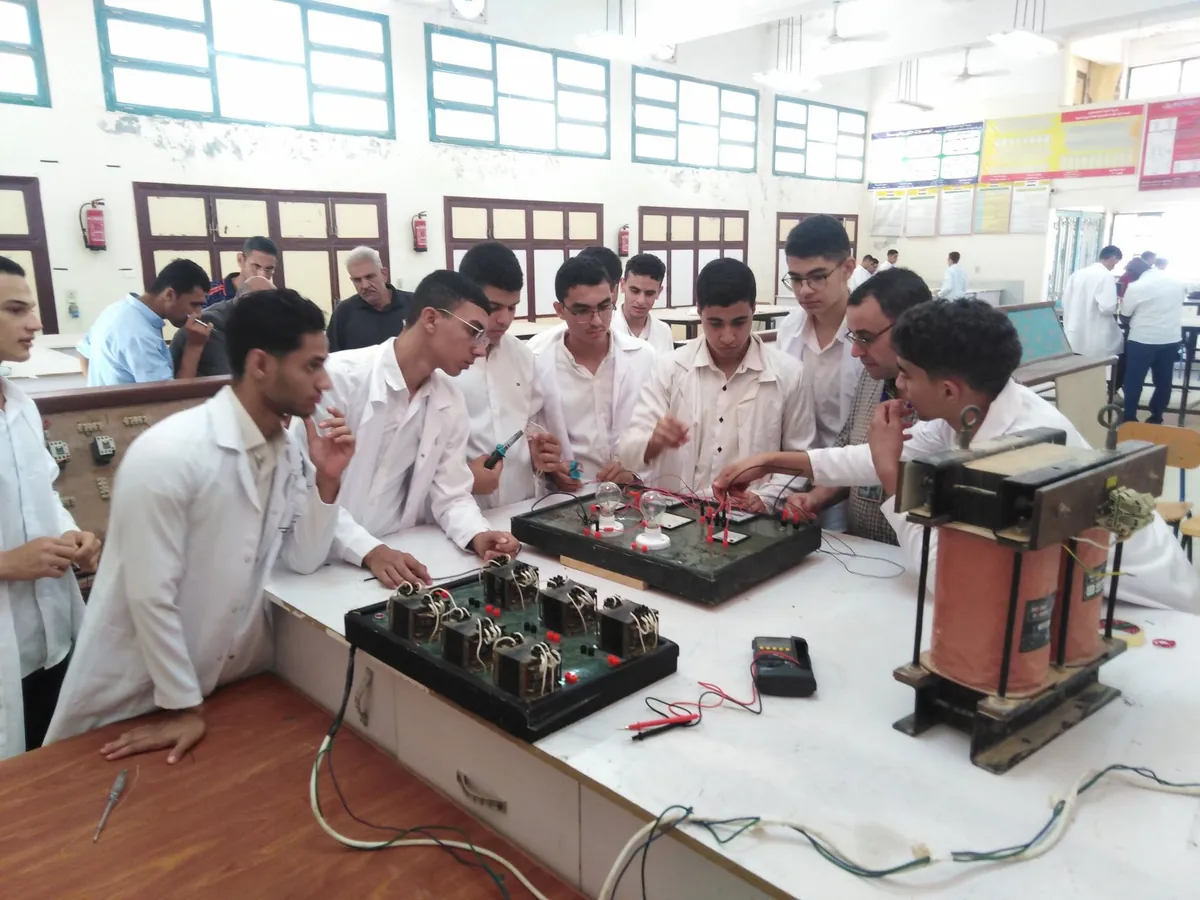
- Hands-on work in laboratories and workshops, and collaborative projects with Egyptian nuclear authorities.
- Technical preparation at the Military Technical College (MTC).
- Six-month training in Russia for graduates, for careers in nuclear facilities.
Now that you know the shared core, see what each department adds. Explore the departments →